
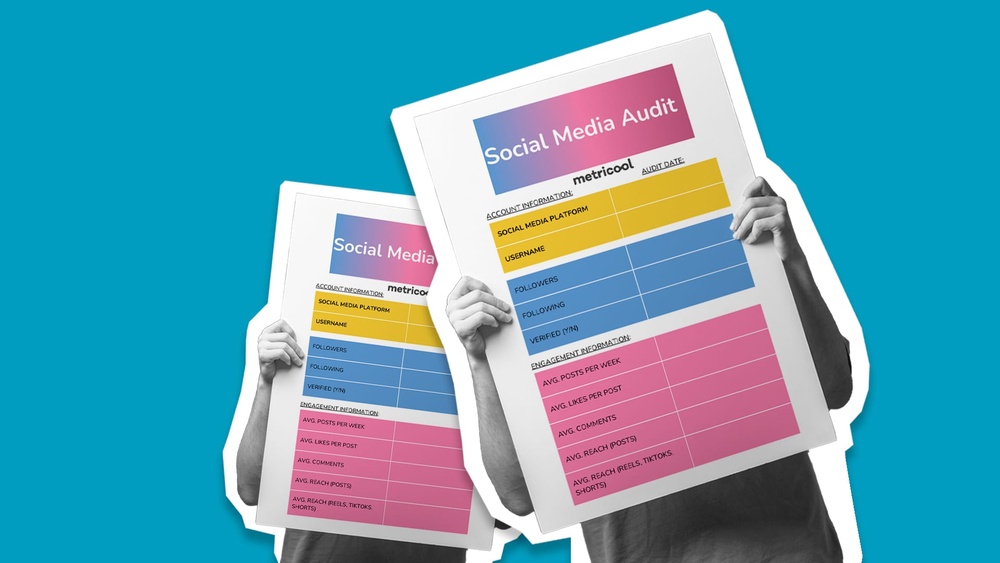
Are you sure your social media is working as hard as it could? A Social Media Audit helps you find out what’s really going on behind the scenes.
It shows you what’s driving results—and what’s holding you back. By digging into your profiles, posts, and followers, you’ll discover simple changes that can boost your reach and engagement. Keep reading to learn how to take control of your social media and turn it into a powerful tool for your goals.

Credit: blog.hootsuite.com
Purpose Of A Social Media Audit
A social media audit helps you understand how well your social channels perform. It shows what works and what needs fixing. This process gives clear insights into your online presence. It guides your next steps to improve and grow.
Identifying Strengths And Weaknesses
The audit reveals which posts and platforms perform best. It highlights your strong points to keep using. It also finds weak spots that need attention. Knowing these helps you focus your efforts smartly. You avoid wasting time on what does not work.
Measuring Current Engagement Levels
Tracking likes, comments, shares, and views shows your audience’s interest. The audit measures how people interact with your content. This data shows if your message reaches and connects with followers. It helps you adjust content to boost engagement. Clear numbers make your social strategy more effective.
Key Metrics To Analyze
Analyzing key metrics is essential for a social media audit. These numbers show how your accounts perform and where to improve. Understanding data helps you create better strategies. Focus on metrics that reveal audience behavior and content impact. This approach guides your future posts and campaigns effectively.
Follower Growth And Demographics
Track the number of new followers over time. Growth shows if your content attracts more people. Check follower demographics like age, location, and gender. This data helps tailor content to your audience’s interests. Knowing who follows you improves communication and engagement.
Content Performance
Measure how your posts perform across platforms. Look at likes, shares, and comments for each post. Identify which content types get the most attention. Note the best posting times and formats. This helps create content that your audience enjoys.
Engagement Rates
Calculate engagement rates by dividing interactions by followers. This reveals how active and interested your audience is. High engagement means followers value your content. Low engagement signals a need to change your approach. Focus on quality interactions, not just numbers.
Traffic And Conversion Tracking
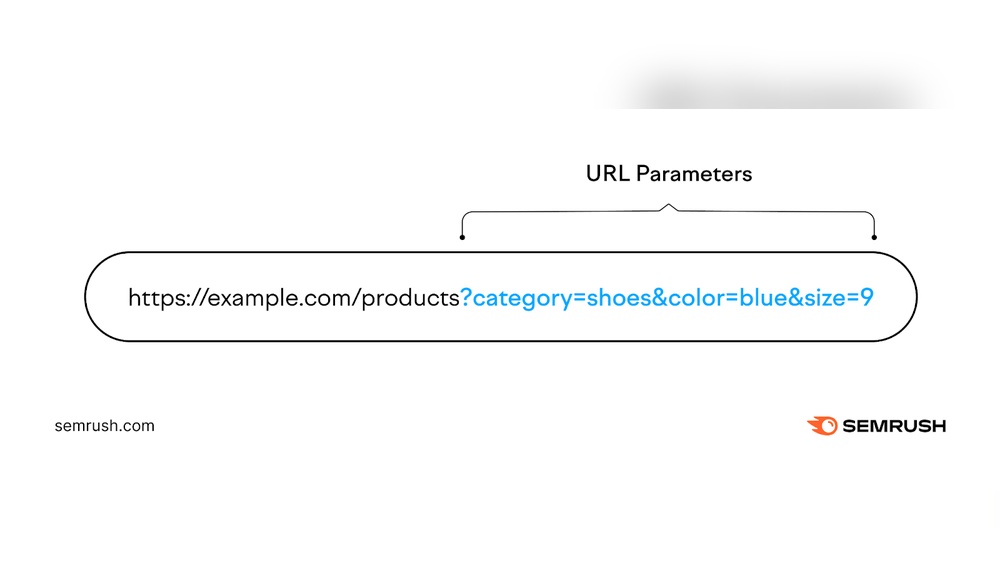
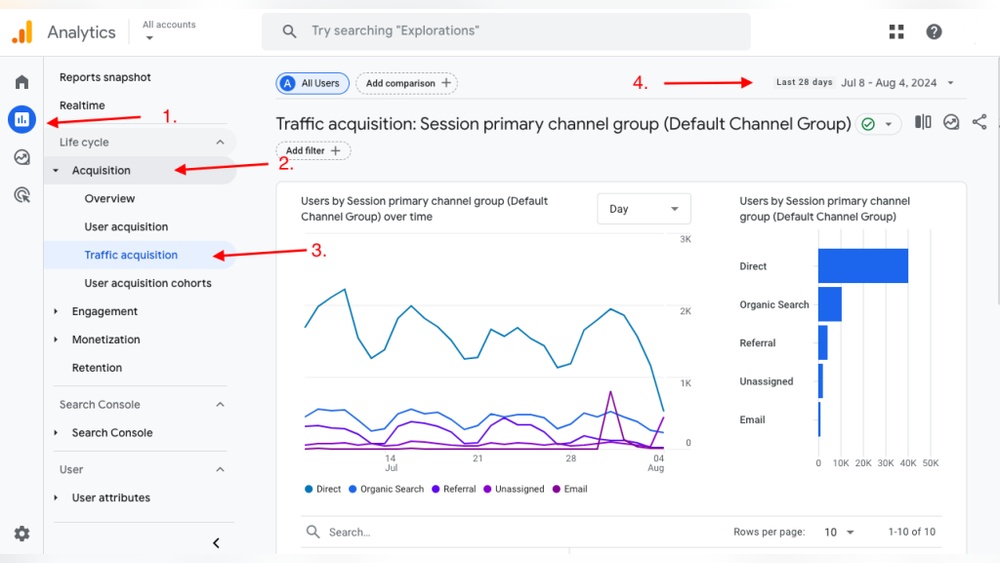
Monitor how much website traffic comes from social media. Use tools to see which posts drive visitors. Track conversions like sign-ups or sales from social channels. This data shows social media’s impact on business goals. Optimize content to increase valuable actions.
Tools For Effective Auditing
Effective social media auditing depends heavily on the right tools. These tools help gather data, track progress, and spot areas for improvement. Choosing the right tools saves time and makes the audit process smooth.
Tools fall into two main categories: analytics platforms and content scheduling and monitoring tools. Each type plays a key role in understanding your social media performance better.
Analytics Platforms
Analytics platforms show detailed insights about social media accounts. They track follower growth, engagement rates, and post performance. These platforms provide clear reports on what content works best.
Popular options include Google Analytics, Facebook Insights, and Twitter Analytics. They offer easy-to-understand data that helps assess audience behavior. Using these tools helps find strengths and weaknesses in your strategy.
Content Scheduling And Monitoring Tools
Content scheduling tools help plan and post content consistently. They allow users to create a posting calendar and automate posts. Consistent posting improves audience engagement and brand visibility.
Monitoring tools track mentions, comments, and messages across platforms. They alert users to customer feedback and possible issues quickly. Tools like Hootsuite and Buffer combine scheduling and monitoring functions.
Using these tools together enhances the audit process. They give a full view of content impact and audience response. This leads to smarter decisions and stronger social media presence.
Step-by-step Audit Process
Performing a social media audit helps understand your current standing. It reveals what works and what needs change. The process involves clear steps that guide you through your data and results. Follow each step carefully to get a full picture of your social media health.
Collecting Data Across Platforms
Start by gathering all data from every social media account. Include Facebook, Instagram, Twitter, LinkedIn, and any others used. Download reports on followers, reach, clicks, and impressions. Save posts, ads, and comments for review. Organize the data in one place for easy access and comparison.
Assessing Content Quality And Consistency
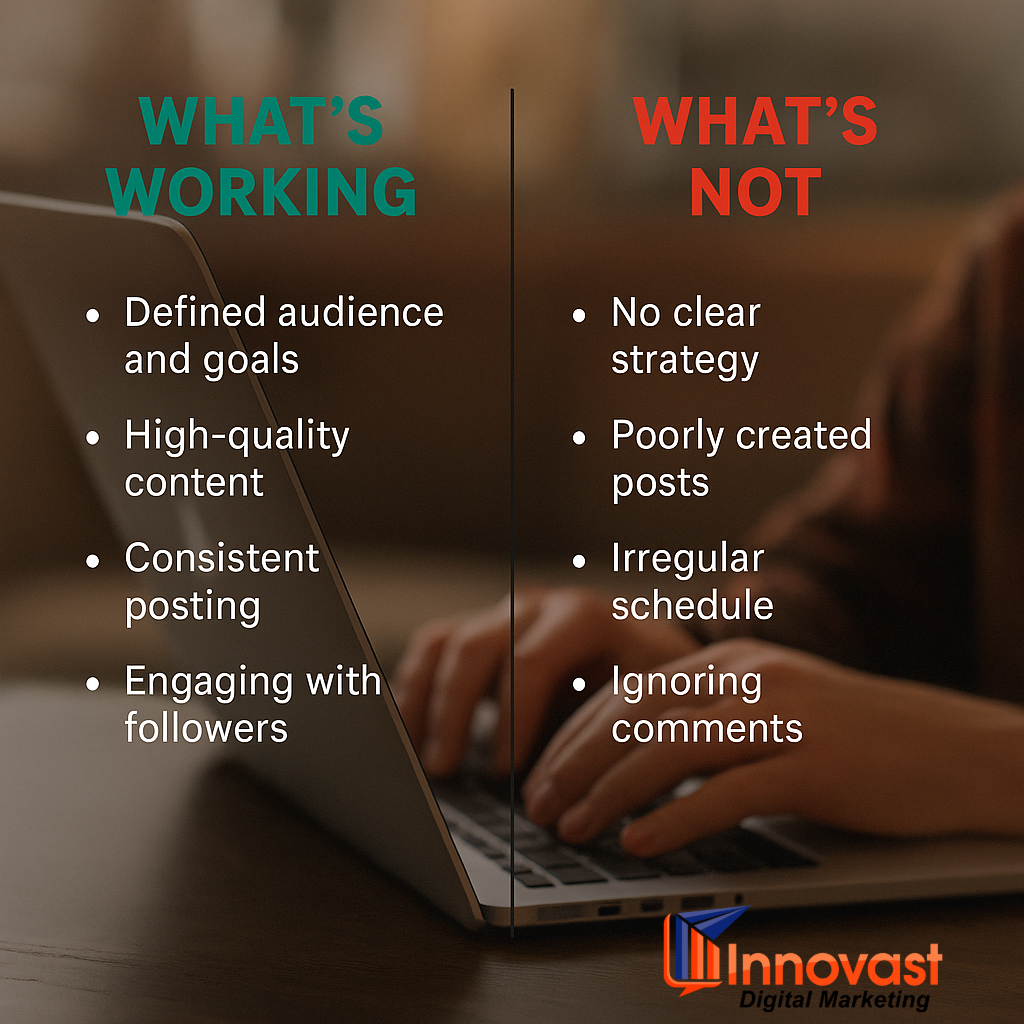
Look at your posts closely. Check if the content is clear, relevant, and valuable. Compare post frequency across platforms. Note if branding, tone, and style match your business image. Identify posts with high engagement and those with little interest. Quality and regularity keep your audience interested and loyal.
Evaluating Audience Interaction
Review how followers react to your content. Count likes, shares, comments, and messages. Check response time to questions or complaints. Notice patterns in audience behavior and preferences. Engagement shows how well your brand connects with people. Strong interaction means a healthy social media presence.
Identifying Content Gaps And Opportunities
Identifying content gaps and opportunities is key in a social media audit. It helps find what your audience needs but does not get. Filling these gaps can boost engagement and growth. It also shows areas where your content can improve. Spotting new chances keeps your social media fresh and relevant.
To find gaps, analyze your current posts and compare them with your goals. Look for topics you rarely cover or formats you do not use. This process helps plan better content that meets audience interests and business aims.
Analyzing Competitor Strategies
Study your competitors’ social media channels carefully. Notice what topics they post most often. Check which posts get the most likes and shares. This shows what their audience enjoys. Compare this with your content to find missing topics or styles.
Look at the types of content they use, such as videos, images, or stories. See if they use formats you have not tried. Use this knowledge to create unique posts that stand out. Avoid copying but learn what works well in your field.
Spotting Trending Topics And Formats
Track trends in your industry and on social media platforms. Trending topics attract more attention and can increase followers. Use tools or explore hashtags to find what is popular now. Adjust your content calendar to include these topics.
Try new content formats like live videos, polls, or reels if they are trending. Different formats can engage users in fresh ways. Experiment to see what your audience likes best. Staying updated keeps your content exciting and relevant.
Credit: innovast.com
Strategies To Boost Engagement
Boosting engagement on social media requires clear strategies. These methods help connect with your audience and keep them interested. Focus on timing, visuals, interaction, and partnerships to grow your presence.
Optimizing Posting Times
Posting at the right times improves visibility. Identify when your audience is most active. Use analytics tools to find peak hours. Post during these times to reach more people. Consistent timing builds audience habits.
Enhancing Visual Content
Strong visuals attract attention quickly. Use high-quality photos and videos that relate to your message. Bright colors and clear images stand out in feeds. Add text overlays to highlight key points. Visuals should be simple and easy to understand.
Encouraging User Interaction
Ask questions to invite comments. Use polls or quizzes to engage followers. Respond to comments to build community. Encourage users to share their opinions or stories. Interaction creates a two-way conversation and trust.
Leveraging Influencers And Partnerships
Partner with influencers who share your values. Their followers trust their recommendations. Collaborate on content to reach new audiences. Joint campaigns increase credibility and engagement. Choose partners with active and engaged followers.
Tracking Progress Post-audit
Tracking progress after a social media audit is essential. It helps measure success and shows what still needs work. Without tracking, it is hard to know if changes are effective. Regular tracking keeps your strategy focused and on the right path.
Setting Benchmarks And Goals
Start by setting clear benchmarks. Use data from the audit to find your starting point. Benchmarks show where you stand now. Set specific, simple goals based on these numbers. Goals might include more followers, higher engagement, or better reach. Clear goals give your team something to aim for.
Regular Review And Adjustment
Schedule regular reviews to check your progress. Compare current data with your benchmarks and goals. See what works and what does not. Use this information to adjust your plan. Small changes can improve results over time. Keep your strategy flexible to respond to new trends or feedback.
Credit: cronbay-tech.com
Frequently Asked Questions
What Is A Social Media Audit?
A social media audit evaluates your profiles and content performance. It identifies strengths, weaknesses, and growth opportunities. This helps improve strategy and engagement across platforms.
How Often Should I Perform A Social Media Audit?
Conduct a social media audit every 3 to 6 months. Regular audits keep your strategy relevant and aligned with goals. Frequent checks help spot trends and fix issues early.
What Key Metrics Are Analyzed In A Social Media Audit?
Metrics include engagement rate, follower growth, reach, and content performance. These reveal audience behavior and campaign effectiveness. Tracking metrics guides informed strategy adjustments.
How Can A Social Media Audit Improve Marketing Strategy?
Audits uncover what content works and what doesn’t. They identify gaps and competitive insights. This enables smarter decisions and better resource allocation for growth.
Conclusion
A social media audit helps you see what works and what does not. It shows where to improve your posts and reach more people. Regular checks keep your accounts fresh and active. You can compare your results over time. This leads to better content and stronger connections.
Start small and grow your skills step by step. Keep your goals clear and track your progress. A good audit guides your social media success.