
If you want your website to get noticed, you need more than just great content—you need SEO writing. This skill helps your words reach the right people at the right time.
Imagine turning your ideas into powerful messages that search engines love and your readers find useful. You’ll discover simple, effective ways to write content that boosts your visibility and keeps visitors coming back. Ready to make your writing work harder for you?
Let’s dive in.

Credit: textuar.com
Seo Writing Essentials
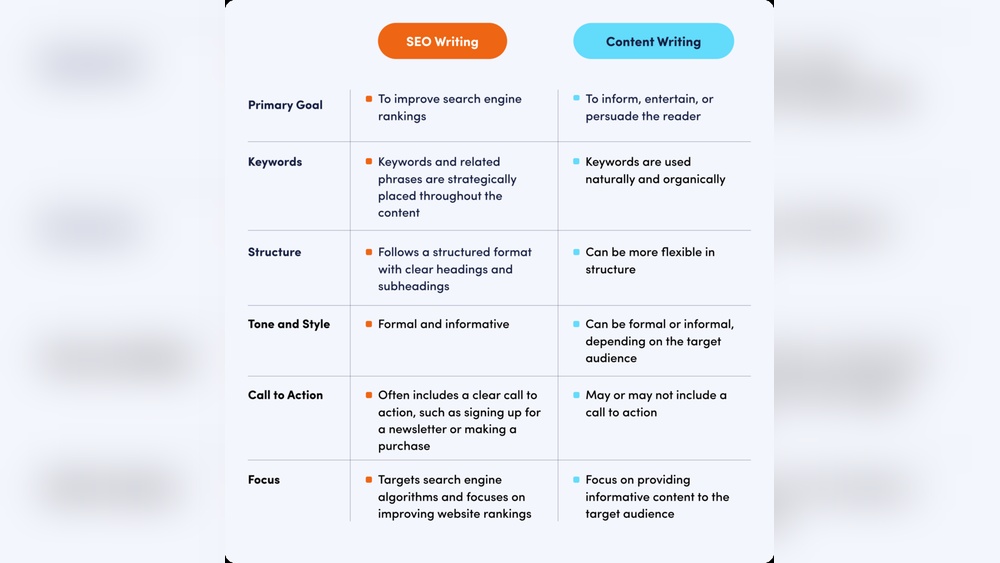
SEO writing is key to getting noticed online. It helps websites rank higher on search engines. Good SEO writing brings more visitors and keeps them interested. Understanding the basics is the first step to effective content creation.
Focus on clear, simple words. Write for people, not just for search engines. Balance keywords with natural flow. This keeps readers engaged and improves your site’s visibility.
Keyword Research Strategies
Keywords guide your content. Find words people use to search for your topic. Use tools like Google Keyword Planner or Ubersuggest. Choose keywords with good search volume and low competition. Mix short and long keywords for better reach.
Place keywords naturally in your text. Avoid stuffing them in every sentence. Think about what your audience wants. Write answers to their questions using these keywords.
Crafting Engaging Titles
Titles catch attention first. Make them clear and interesting. Use main keywords near the start. Keep titles under 60 characters to show fully in search results. Ask questions or promise solutions to spark curiosity.
Strong titles improve click rates. They tell readers what to expect. Avoid vague or too long titles. Simple and direct works best.
Optimizing Meta Descriptions
Meta descriptions summarize your page for search engines. Keep them between 150 and 160 characters. Use important keywords to match user searches. Write descriptions that invite readers to click.
Make meta descriptions clear and relevant. Explain what the page offers. Avoid repeating the title. A good meta description can boost your page visits.
Content Structure Techniques
Good content structure helps readers and search engines understand your text. Clear structure guides the reader through your ideas. It makes your content easier to scan and digest. Proper structure also improves SEO by organizing keywords and topics well.
Using Headers Effectively
Headers break content into clear sections. They show the main topics and subtopics. Use H1 for the title, H2 for main sections, and H3 for details. Headers help search engines find important keywords. They also let readers jump to parts they want.
Short Paragraphs And Sentences
Short paragraphs improve readability. They do not overwhelm the reader. Keep each paragraph to 2-4 sentences. Sentences should be simple and direct. Short sentences make ideas clear and easy to follow. This style works well on screens and mobile devices.
Incorporating Bullet Points
Bullet points highlight key information quickly. They break down complex ideas into simple lists. Use bullet points for steps, features, or tips. This format catches the eye and improves scanning. Bullets keep readers engaged and make content neat.
On-page Optimization
On-page optimization improves your website’s visibility in search engines. It involves adjusting elements on your web pages to boost rankings and user experience. Proper on-page SEO helps search engines understand your content better.
Optimizing your page structure, images, and links strengthens your site’s authority. These steps make your website easier to navigate and faster to load. Let’s explore key on-page optimization tactics.
Internal Linking Best Practices
Internal links connect pages within your website. Use clear and relevant anchor text for each link. Link to important pages to spread page authority across your site. Avoid linking too many times on one page. Check links regularly to fix broken ones.
Image Optimization Tips
Use descriptive file names for your images. Add alt text that explains the image clearly. Compress images to reduce file size and speed up loading. Choose the right image format for quality and performance. Proper image optimization improves page speed and accessibility.
Url Structure Guidelines
Create short, simple URLs with keywords related to the page. Use hyphens to separate words, not underscores. Avoid using numbers or special characters that confuse users and search engines. Keep URLs consistent and easy to read. Clean URLs help search engines and visitors understand your content.

Credit: www.scalenut.com
Enhancing Readability
Enhancing readability is key to good SEO writing. Clear and simple text helps readers understand your message fast. It keeps visitors on your page longer. Search engines notice this and rank your content higher.
Focus on making your writing easy to scan. Use short sentences and simple words. Break content into small paragraphs. Use headings to guide readers through your text.
Choosing The Right Tone
The tone sets how readers feel about your content. A friendly and clear tone works best. It makes your writing relatable and easy to follow. Avoid complex words and formal language. Write as if you talk to a friend. This helps readers stay interested and trust your message.
Balancing Keyword Density
Keywords help search engines find your content. Use them naturally and in the right amount. Too many keywords make text hard to read. It looks spammy and can hurt your SEO. Aim for a balance where keywords fit smoothly in sentences. This keeps content clear and search-friendly.
Avoiding Duplicate Content
Duplicate content confuses search engines. It lowers your page ranking. Write unique text for each page or post. Use your own words and ideas. This shows search engines your site is original and valuable. Unique content also keeps readers interested and engaged.
Leveraging Analytics
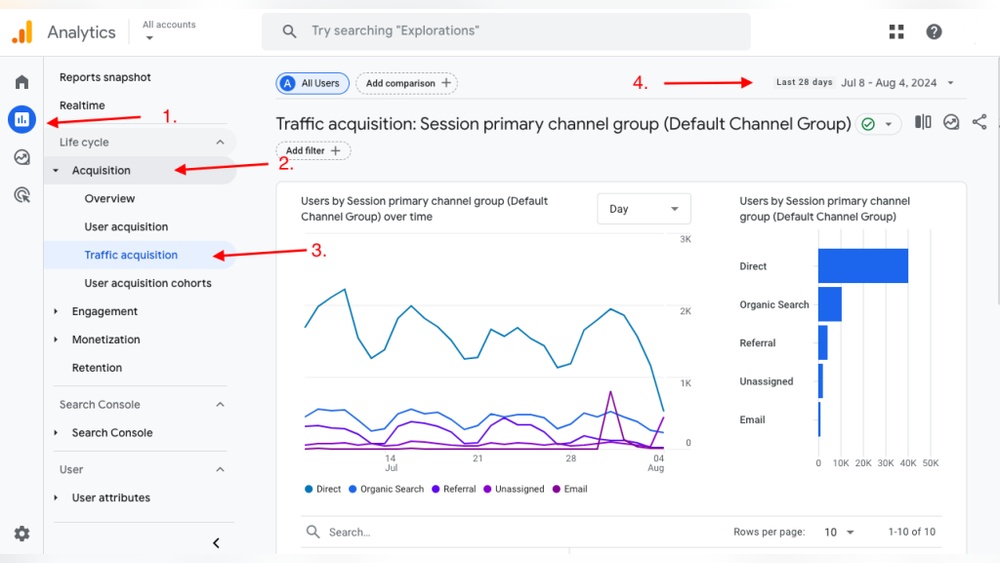
Leveraging analytics is key to improving SEO writing. Data helps you see what works and what doesn’t. It shows how visitors find your content and interact with it. Using this information lets you make smart changes. This makes your content stronger and more effective over time.
Tracking Keyword Performance
Track keywords to know which ones bring visitors. Check rankings regularly to see if keywords move up or down. Find out which keywords have high clicks and low bounce rates. Focus on keywords that attract the right audience. Drop or improve those that don’t perform well.
Adjusting Content Based On Data
Use data to update your content for better results. Add new information where visitors lose interest. Change titles and headings to fit popular search terms. Remove or rewrite parts that confuse readers. Small tweaks can boost your page’s ranking and engagement.
Using Seo Tools Effectively
SEO tools provide valuable insights about your content and keywords. Use tools like Google Analytics and Search Console to check traffic and errors. Analyze which pages get the most visits and why. Explore keyword suggestions to find new topics. These tools guide your SEO strategy with real data.

Credit: www.awai.com
Frequently Asked Questions
What Is Seo Writing And Why Is It Important?
SEO writing is creating content optimized for search engines. It improves website visibility and drives organic traffic. Good SEO writing balances keyword use with engaging, valuable content for readers. This helps websites rank higher on search results and attract the right audience.
How Do Keywords Impact Seo Writing?
Keywords guide search engines to understand content relevance. Proper keyword research identifies terms users search for. Using keywords naturally in titles, headers, and content boosts rankings. Overusing keywords can harm readability and SEO, so balance is crucial.
What Are Best Practices For Seo Writing?
Use relevant keywords strategically but avoid stuffing. Write clear, concise sentences with engaging, original content. Optimize meta descriptions and headers for search engines. Ensure mobile-friendly formatting and fast loading speeds. Regularly update content to keep it fresh and relevant.
How Does Seo Writing Improve Website Traffic?
SEO writing increases your site’s visibility on search engines. Higher rankings attract more clicks from users searching relevant topics. Quality content encourages visitors to stay longer and explore more pages. This leads to increased traffic and potential conversions.
Conclusion
SEO writing helps your content reach the right audience online. Clear, simple words keep readers interested and improve search rankings. Focus on keywords naturally and write for people first. Good SEO writing takes practice but brings steady results. Keep learning and adapting to changes in search engines.
Your efforts will make your website easier to find. Write well, stay patient, and watch your traffic grow over time.