
Are you struggling to get your business noticed by people nearby? Your customers are searching for services and products in your area right now.
But if you don’t know the right local keywords, they might never find you. Local keyword research is the key to unlocking more traffic, more calls, and more sales from your community. You’ll discover simple, effective ways to find the exact words your potential customers use.
Keep reading, and you’ll learn how to put your business right where it belongs—front and center in your local market.
Importance Of Local Keywords
Local keywords play a key role in online marketing. They help businesses reach customers in specific areas. Using local keywords makes your website visible to people nearby. This improves chances of attracting local buyers. It also helps your business stand out from big competitors.
Local keywords connect your products or services with your community. They tell search engines where your business operates. This increases the chance of appearing in local search results. Customers often search for services close to them. Local keywords meet this need directly.
What Are Local Keywords?
Local keywords include city names, neighborhoods, or regions. They describe a location tied to your business. For example, ”coffee shop in Austin” is a local keyword. These keywords target users who want nearby services. They focus on geographic relevance.
Improved Search Engine Ranking
Search engines use local keywords to rank businesses. Websites with strong local keywords appear higher in search results. This creates more traffic from local customers. High ranking means better visibility and trust. It increases the chance of clicks and visits.
Better User Experience
Local keywords match what users want to find. They help customers find relevant businesses quickly. This saves time and reduces frustration. Clear local terms guide users to nearby options. It makes searching simple and effective.
Increased Foot Traffic And Sales
Local keywords attract people ready to buy nearby. They bring visitors directly to your store or service. This can boost foot traffic and sales. Local searchers often have strong purchase intent. Using local keywords connects you with these buyers.

Credit: www.abstraktmg.com
Finding Local Keyword Ideas
Finding local keyword ideas helps your business reach nearby customers. It focuses on terms people use in your area. This makes your website more visible in local searches. Use simple methods to discover these keywords. They connect your business to the local community. Here are three easy ways to find local keyword ideas.
Using Google Tools
Google offers free tools to find local keywords. Google Keyword Planner shows popular search terms in your area. It helps find keywords with good search volume. Google Trends reveals what topics are trending locally. Use these tools to see local search behavior. They give clear data to guide your keyword choice.
Exploring Competitor Keywords
Check your local competitors’ websites for keyword ideas. Look at their page titles and content. Use online tools like SEMrush or Ahrefs to find their top keywords. This shows what works in your market. Avoid copying exactly, but get inspiration. It helps find keywords your audience already uses.
Leveraging Customer Language
Listen to how customers talk about your products or services. Use their words in your content. Check reviews, emails, and social media comments. Customers often use simple, natural language. This makes your keywords more relatable and easier to find. It also builds trust with your local audience.
Analyzing Keyword Competition
Analyzing keyword competition is key to local keyword research. It helps you find terms that attract visitors without too much effort. By studying competition, you can pick keywords that boost your local SEO. This process saves time and improves your chances of ranking higher in search results.
Assessing Search Volume
Search volume shows how often people type a keyword in search engines. High search volume means many users want information about that term. Low volume means fewer people search for it. Focus on keywords with enough searches to bring local visitors. Use tools like Google Keyword Planner to find this data.
Evaluating Keyword Difficulty
Keyword difficulty measures how hard it is to rank for a term. High difficulty means many sites compete for that keyword. Low difficulty means fewer websites use it. Aim for keywords with low to medium difficulty for better results. This helps your local site appear on the first page faster.
Identifying Low-competition Opportunities
Low-competition keywords offer a chance to rank quickly. These keywords have fewer websites targeting them. They often include local names or specific services. Find these keywords by combining local terms with your main keywords. This strategy can increase your local traffic and leads.

Credit: searchengineland.com
Optimizing Content With Local Keywords
Optimizing content with local keywords helps your business reach nearby customers. It makes your website more visible in local search results. Using local keywords correctly increases your chances of attracting visitors from your area.
Local keywords show search engines your content is relevant for local users. This improves your ranking for searches in your city or neighborhood. You can use these keywords in many parts of your website to boost local traffic.
Incorporating Keywords In Titles And Meta
Place local keywords in your page titles and meta descriptions. Titles are the first thing users see in search results. A clear title with a local keyword draws attention and improves click rates.
Meta descriptions should include local keywords naturally. This helps search engines understand your content’s location focus. Keep titles and metas short and direct for better impact.
Using Keywords Naturally In Content
Use local keywords smoothly within your text. Avoid stuffing keywords; it looks unnatural and hurts SEO. Write content that sounds like a real conversation with your local audience.
Talk about local events, landmarks, or services. This adds context and makes your content more useful. Use variations of your keywords to keep the text fresh and readable.
Optimizing For Voice Search
Voice search uses natural, spoken language. People ask questions differently when speaking than typing. Include local keywords in question form to match voice queries.
Focus on short, clear answers with local details. Use phrases like “near me” or include your city name. This helps your content appear in voice search results for local users.
Tracking Local Keyword Performance
Tracking local keyword performance helps measure how well your SEO efforts work. It shows which keywords bring visitors and which need improvement. This data guides your next steps to boost local search presence. Regular tracking keeps your strategy relevant and effective.
Monitoring Rankings
Check your local keyword rankings often. Use tools to see where your site appears in search results. Focus on keywords with high local intent. Tracking rankings helps spot gains or drops quickly. Reacting fast protects your visibility in local searches.
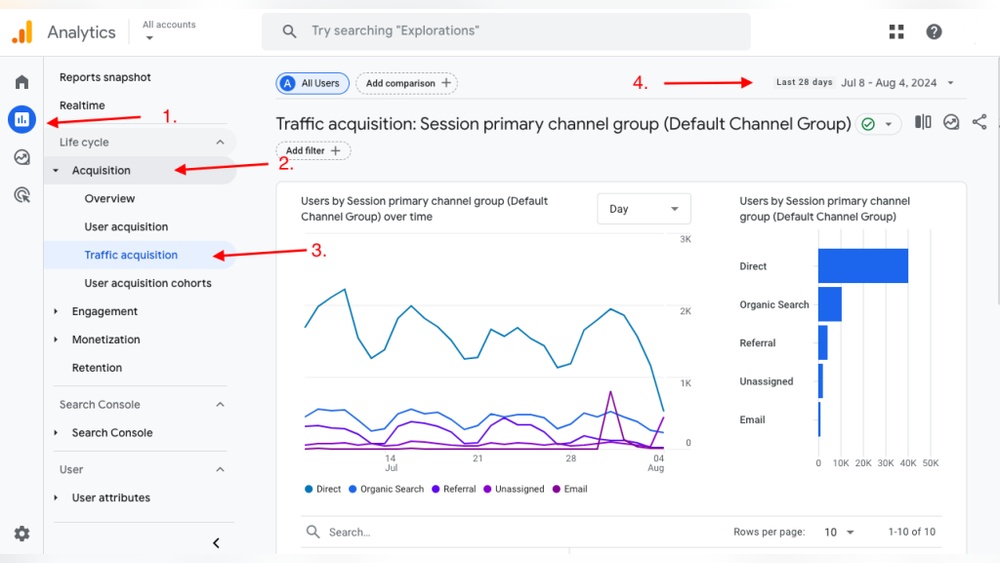
Analyzing Traffic Sources
Look at where your website traffic comes from. Find out if visitors arrive through local keywords. Compare traffic from organic search, paid ads, and social media. This shows which channels work best for local customers. Use this insight to focus your marketing efforts.
Adjusting Strategy Based On Data
Use data from rankings and traffic to improve your SEO. Drop keywords that do not bring visitors. Add new keywords based on local trends and searches. Change content and ads to match what users want. Regular updates keep your local SEO strong and relevant.

Credit: xplorenterprise.com
Frequently Asked Questions
What Is Local Keyword Research In Seo?
Local keyword research identifies search terms specific to a geographic area. It helps businesses attract nearby customers and improve local search rankings.
How Do I Find Local Keywords For My Business?
Use tools like Google Keyword Planner, Google Trends, and local SEO tools. Focus on location-based terms and customer search intent.
Why Is Local Keyword Research Important For Small Businesses?
It increases visibility in local search results. This drives more targeted traffic, leads, and sales from the nearby audience.
How Often Should I Update Local Keywords?
Update keywords every 3 to 6 months. This ensures your SEO stays relevant with changing search trends and competition.
Conclusion
Local keyword research helps your business reach nearby customers easily. It guides your content to match what people search for in your area. Using local keywords boosts your website’s visibility on search engines. This leads to more visits and potential sales from local clients.
Keep updating your keywords to stay relevant and ahead of competitors. Simple steps can make a big difference in your local marketing success. Start focusing on local keywords today and watch your business grow steadily.